
Smart Devices
Inuquiry
Widevine L1 vs L3: The Real Difference and Business Impact for OTT Operators
For OTT operators building their own streaming services, choosing the right security foundation isn’t just a technical box to check—it’s a core business decision. A critical part of this is understanding the Widevine L1 vs L3 DRM difference. Many see it as a simple security tier, but the gap between them represents vastly different content security levels, user experience quality, and ultimately, revenue potential.
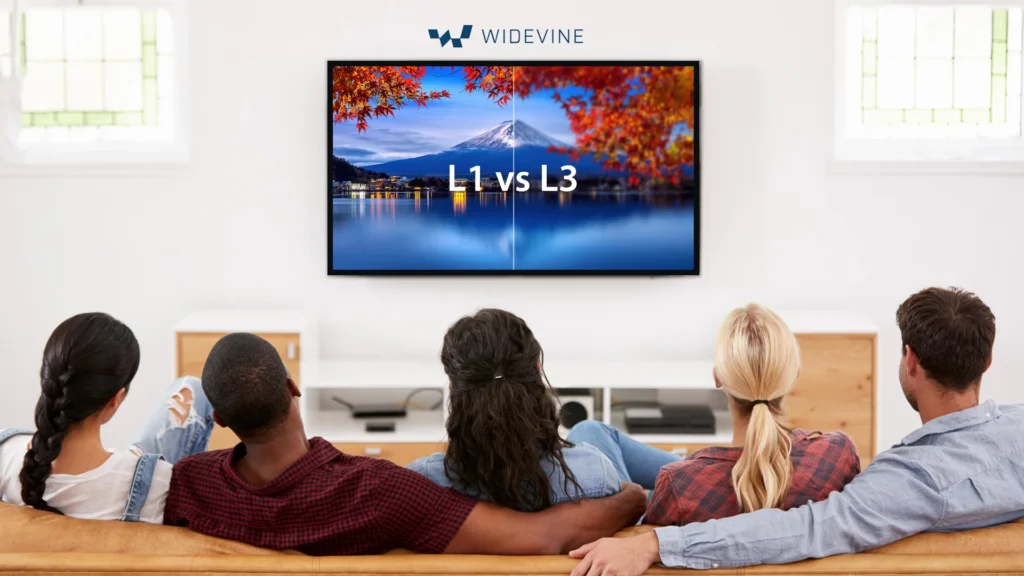
This guide cuts through the technical jargon to explain the real-world business consequences of choosing L1 or L3 hardware for your custom Android TV devices or AOSP-based set-top boxes.
The Technical Divide: Hardware vs. Software Security
The fundamental difference between Widevine L1 and L3 is where the decryption keys and process are secured.
For a hardware ODM/OEM like us, this means L1 security must be designed into the silicon and system architecture from the start—it cannot be added later via a software update.
The Business Impact: Why L1 vs. L3 is a Strategic Choice
Here’s how this technical choice translates directly to your OTT business outcomes:
Business Dimension | Widevine L1 (Hardware-Backed) | Widevine L3 (Software-Based) | The Direct Impact on Your Business |
|---|---|---|---|
Content Rights & Partnerships | Enables playback of premium 4K, HDR (Dolby Vision, HDR10+), and UHD content. Often a mandatory requirement for licensing from major Hollywood studios and premium networks. | Typically restricted to SD or HD (1080p) content. Major studios and premium content providers often will not license their highest-value content for L3 playback. | L1 unlocks premium content catalogs, allowing you to compete with giants like Netflix and Disney+. L3 limits you to lower-tier content, capping your service’s appeal and perceived value. |
User Experience & Quality | Supports the highest quality 4K streaming with HDR, providing the best possible picture and sound. | Maximum quality is often capped at 1080p HD. May also result in longer licensing/start-up times for playback. | L1 delivers a premium experience that justifies higher subscription tiers and reduces churn. L3 offers a commoditized experience vulnerable to better-equipped competitors. |
Platform Certification | Essential for certification on major Android TV platforms and app stores. Required for official Netflix Recommended TV and other high-profile partnership programs. | Ineligible for most platform certification programs and premium app partnerships. | L1 is your ticket to market legitimacy and visibility on retail shelves and in operator deployments. L3 confines you to a more niche, low-profile market. |
Security & Piracy Risk | Extremely resilient to common piracy methods. The hardware-rooted keys are incredibly difficult to extract, protecting your revenue stream. | More vulnerable to extraction via software hacks, memory scraping, or unauthorized recordings, potentially leading to content leaks. | L1 protects your core asset—your content. It mitigates financial loss from piracy. L3 represents a higher, ongoing business risk. |
Market Ready STBs with Widevine L1 Provisioning 4.0
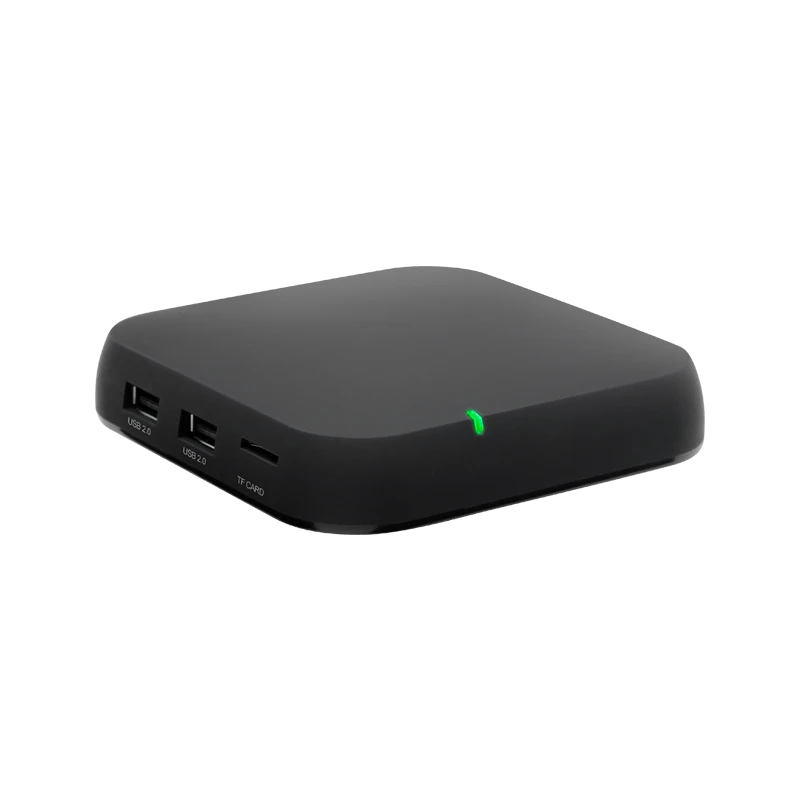
DataMax DM21S Amlogic S905Y5 4K TV Box with Android 14
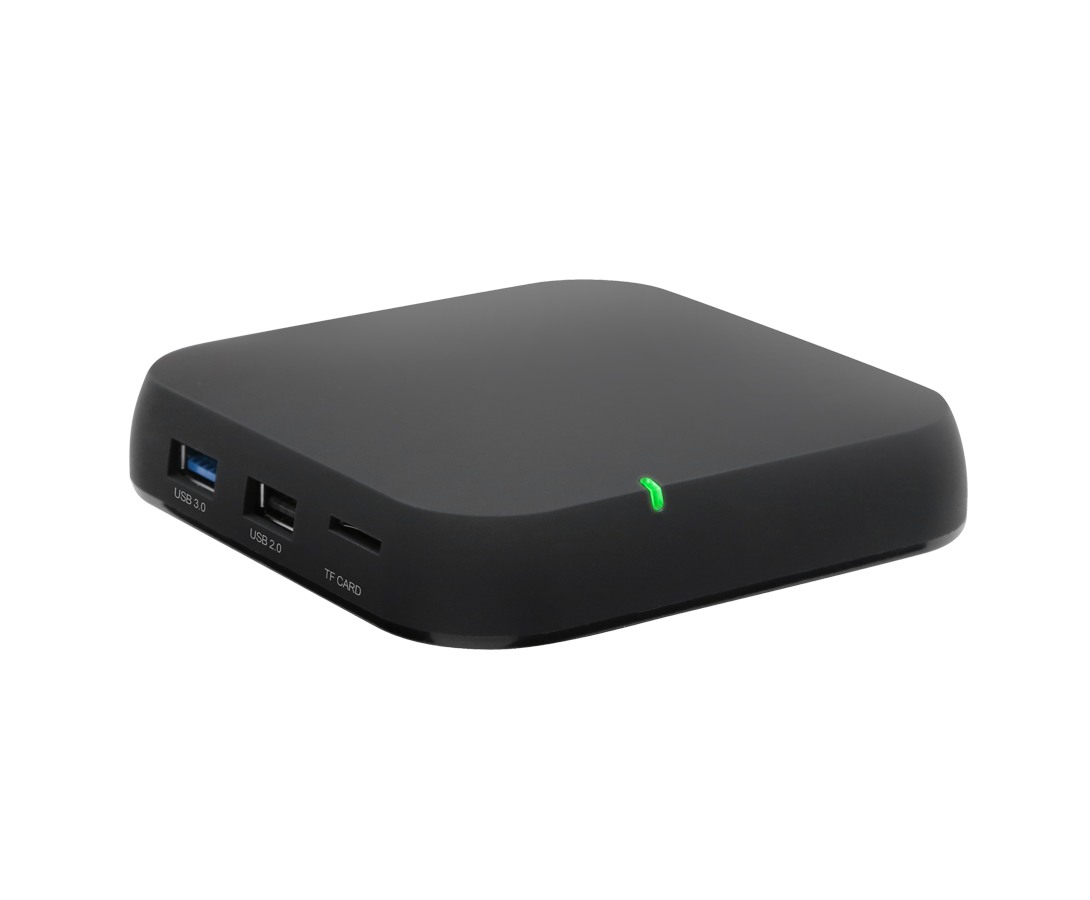
DataMax DM21T Amlogic S905X5 TV Box with H.266 VVC decoding
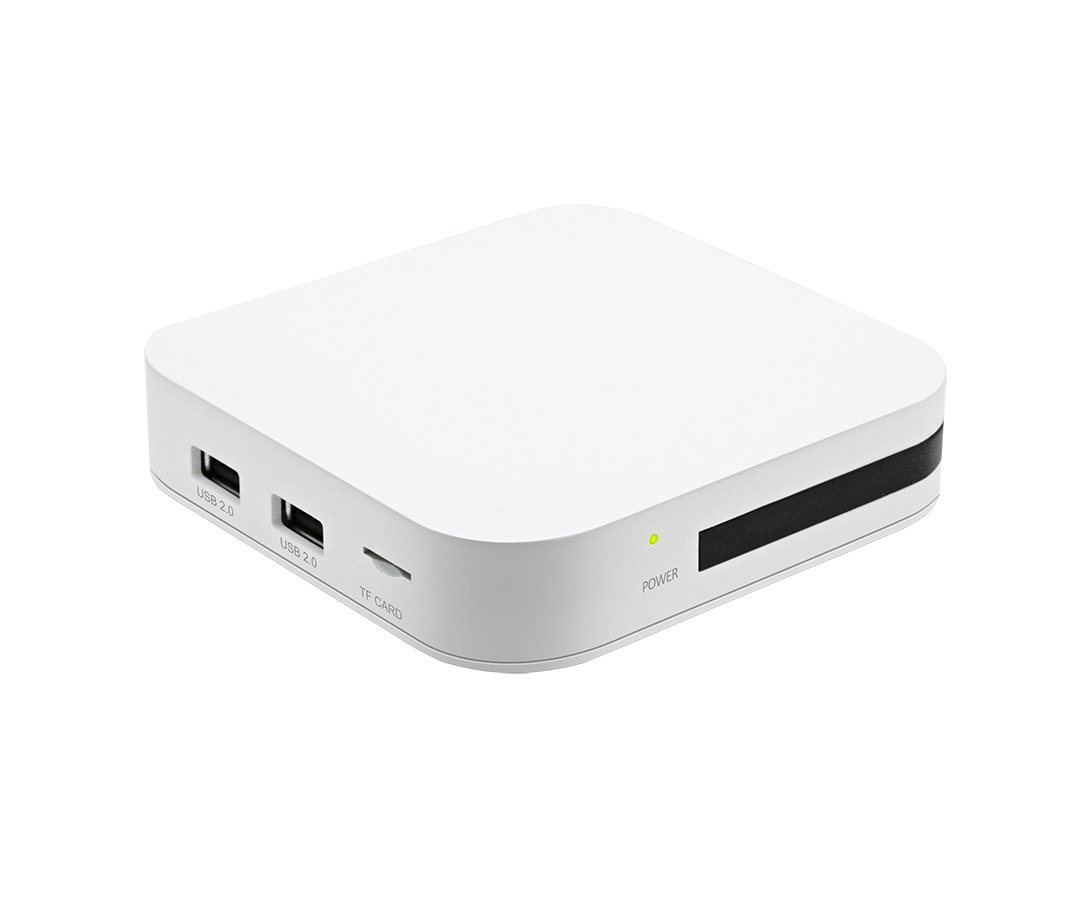
DataMax DM22Q configured by Amlogic S905X5M Best Android TV Box for Gaming
Market Ready STBs with Widevine L1 Provisioning 4.0
The Hidden Challenge: “DRM Downgrades” and How to Prevent Them
A critical, often-overlooked issue for operators using custom Android TV boxes is DRM downgrade. This occurs when a device with capable hardware is poorly implemented, causing the Widevine system to fall back from L1 to L3.
Common causes from a hardware/ODM perspective include:
The business result? You’ve paid for L1 hardware but receive L3 security and capabilities, blocking you from your desired content and partnerships.
Conclusion: Building on a Secure Foundation
For OTT operators, choosing between Widevine L1 and L3 is choosing your business’s ceiling.
The key is to partner with an ODM that understands this from the circuit board up. It requires expertise in selecting the right system-on-chip (SoC), implementing a secure boot chain, correctly integrating the TEE, and maintaining integrity through the secure manufacturing process, including factory key injection.
Ready to ensure your custom Android TV hardware meets the L1 standard? Contact our technical team to discuss your project requirements.
Smart Devices
Inuquiry
Widevine L1 vs L3: The Real Difference and Business Impact for OTT Operators
For OTT operators building their own streaming services, choosing the right security foundation isn’t just a technical box to check—it’s a core business decision. A critical part of this is understanding the Widevine L1 vs L3 DRM difference. Many see it as a simple security tier, but the gap between them represents vastly different content security levels, user experience quality, and ultimately, revenue potential.
This guide cuts through the technical jargon to explain the real-world business consequences of choosing L1 or L3 hardware for your custom Android TV devices or AOSP-based set-top boxes.
The Technical Divide: Hardware vs. Software Security
The fundamental difference between Widevine L1 and L3 is where the decryption keys and process are secured.
For a hardware ODM/OEM like us, this means L1 security must be designed into the silicon and system architecture from the start—it cannot be added later via a software update.
The Business Impact: Why L1 vs. L3 is a Strategic Choice
Here’s how this technical choice translates directly to your OTT business outcomes:
Business Dimension | Widevine L1 (Hardware-Backed) | Widevine L3 (Software-Based) | The Direct Impact on Your Business |
|---|---|---|---|
Content Rights & Partnerships | Enables playback of premium 4K, HDR (Dolby Vision, HDR10+), and UHD content. Often a mandatory requirement for licensing from major Hollywood studios and premium networks. | Typically restricted to SD or HD (1080p) content. Major studios and premium content providers often will not license their highest-value content for L3 playback. | L1 unlocks premium content catalogs, allowing you to compete with giants like Netflix and Disney+. L3 limits you to lower-tier content, capping your service’s appeal and perceived value. |
User Experience & Quality | Supports the highest quality 4K streaming with HDR, providing the best possible picture and sound. | Maximum quality is often capped at 1080p HD. May also result in longer licensing/start-up times for playback. | L1 delivers a premium experience that justifies higher subscription tiers and reduces churn. L3 offers a commoditized experience vulnerable to better-equipped competitors. |
Platform Certification | Essential for certification on major Android TV platforms and app stores. Required for official Netflix Recommended TV and other high-profile partnership programs. | Ineligible for most platform certification programs and premium app partnerships. | L1 is your ticket to market legitimacy and visibility on retail shelves and in operator deployments. L3 confines you to a more niche, low-profile market. |
Security & Piracy Risk | Extremely resilient to common piracy methods. The hardware-rooted keys are incredibly difficult to extract, protecting your revenue stream. | More vulnerable to extraction via software hacks, memory scraping, or unauthorized recordings, potentially leading to content leaks. | L1 protects your core asset—your content. It mitigates financial loss from piracy. L3 represents a higher, ongoing business risk. |
Market Ready STBs with Widevine L1 Provisioning 4.0
DataMax DM21S Amlogic S905Y5 4K TV Box with Android 14
DataMax DM21T Amlogic S905X5 TV Box with H.266 VVC decoding
DataMax DM22Q configured by Amlogic S905X5M Best Android TV Box for Gaming
Market Ready STBs with Widevine L1 Provisioning 4.0
The Hidden Challenge: “DRM Downgrades” and How to Prevent Them
A critical, often-overlooked issue for operators using custom Android TV boxes is DRM downgrade. This occurs when a device with capable hardware is poorly implemented, causing the Widevine system to fall back from L1 to L3.
Common causes from a hardware/ODM perspective include:
The business result? You’ve paid for L1 hardware but receive L3 security and capabilities, blocking you from your desired content and partnerships.
Conclusion: Building on a Secure Foundation
For OTT operators, choosing between Widevine L1 and L3 is choosing your business’s ceiling.
The key is to partner with an ODM that understands this from the circuit board up. It requires expertise in selecting the right system-on-chip (SoC), implementing a secure boot chain, correctly integrating the TEE, and maintaining integrity through the secure manufacturing process, including factory key injection.
Ready to ensure your custom Android TV hardware meets the L1 standard? Contact our technical team to discuss your project requirements.