
Smart Devices

Inuquiry

Leave message here, we will reply to you in 24 hours.

How to Choose the Right Projector Brightness: A Complete Guide to 200-1000 ANSI Lumens

Introduction: The Diverse Needs of the Projector Market

As a projector manufacturer, we understand that selecting the right projector can be a complex decision. One of the most critical specifications to consider is brightness, measured in ANSI lumens. From personal entertainment to large-scale commercial installations, the ideal brightness level varies significantly based on the environment and use case. This guide will walk you through everything you need to know about choosing the perfect projector brightness between 200 and 1000 ANSI lumens.
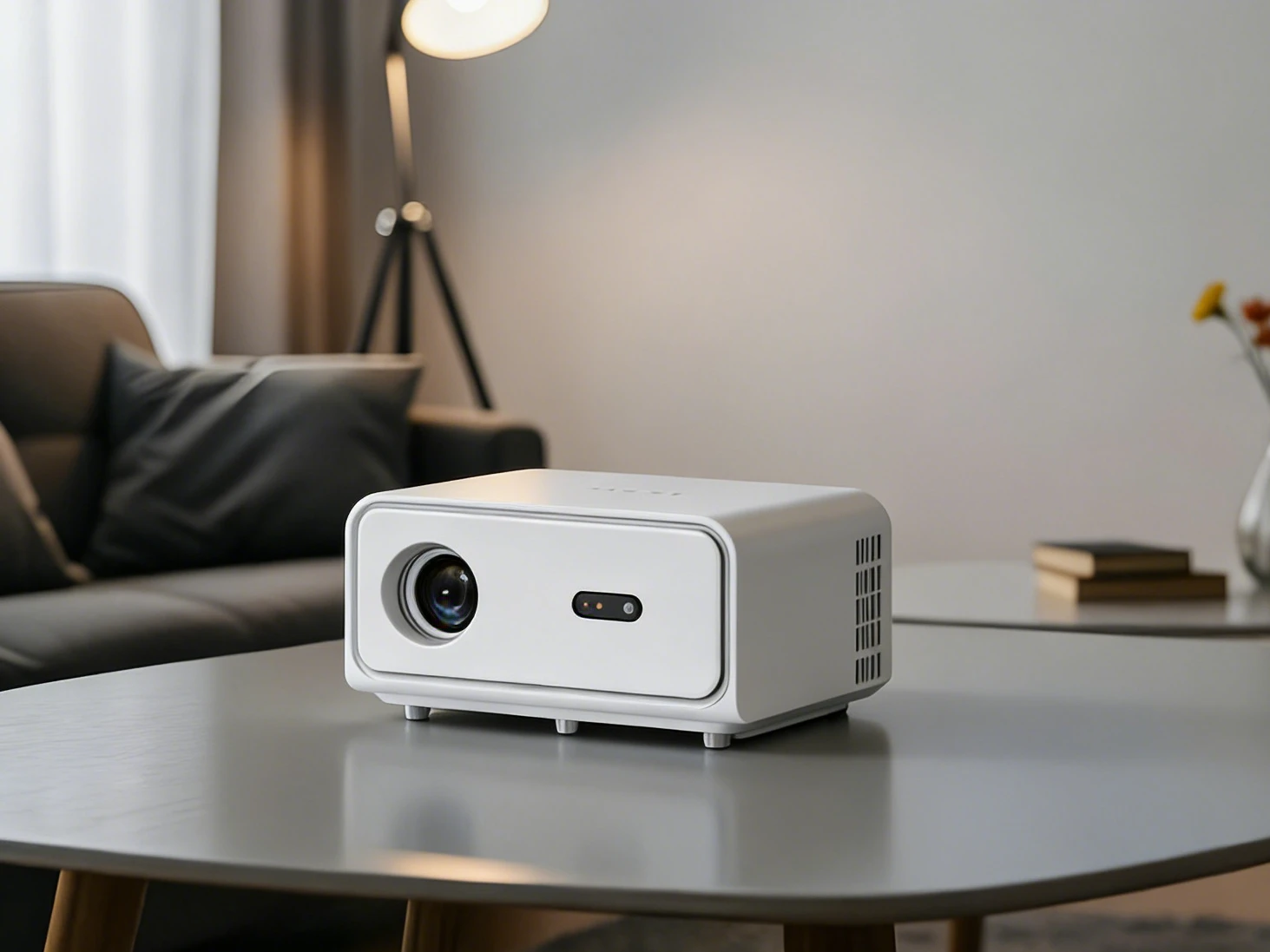
projector brightness guide from datamax

Brightness Selection Guide: Application Scenarios for 200-1000 ANSI Lumens

200-300 ANSI Lumens: Portable/Personal Entertainment

Projectors in this range are typically compact, energy-efficient, and designed for intimate settings. They are perfect for:

  • Private movie nights in a darkened bedroom
  • Gaming in a controlled lighting environment
  • Portable presentations where ambient light is minimal

300-500 ANSI Lumens: Bedroom/Living Room

This range is the go-to choice for consumer-level home entertainment, offering a fantastic balance of cost, portability, and picture quality in controlled, dim environments. For optimal results, this tier requires a significantly darkened room.

  • Enclosed Bedrooms or Dens: Perfect for creating a personal cinema where you have full control over lighting. Even small amounts of ambient light will noticeably wash out the image.
  • Living Rooms at Night: Suitable for evening viewing with all curtains closed and main lights turned off. The image will be clear and vibrant under these conditions.

Note: For small conference rooms, even with moderate light control, 500 ANSI lumens is often the minimum viable threshold to combat overhead lights and window glare, making the 300-500 range more of a dedicated home-use category.

500-800 ANSI Lumens: The Enhanced Home & Hotel Room Tier

This brightness level represents a significant step up for consumer and hospitality use, providing enough power to handle mild ambient light while maintaining a high-quality image on medium-to-large screens.

  • Premium Home Theaters: Ideal for dedicated media rooms where you might have some low-level mood lighting (like LED bias lighting behind the screen) without degrading the picture.
  • Hotel and Hospitality Rooms: The standard for many hotel in-room entertainment systems. It’s bright enough to be enjoyed with bedside lamps on or with partial daylight seeping through curtains, offering a convenient and comfortable viewing experience without requiring complete darkness.

Note: While usable in small, very controlled classrooms or meetings, modern educational and mainstream commercial environments (with typical overhead lighting and windows) generally require projectors starting at 2000+ ANSI lumens for clear, daylight-viewable content.

800-1000+ ANSI Lumens: The High-Performance Consumer & Small-Scale Commercial Tier

Projectors in this bracket are among the brightest available in the mainstream consumer and prosumer market. They are designed for situations where controlling ambient light is challenging but the screen size remains in the large-home-theater range (up to ~120 inches).

  • Living Rooms with Ambient Light: Can produce a watchable image during daytime with blinds partially drawn, though a darkened room is still recommended for the best experience.
  • Small-Scale Public Displays: This is the minimum recommended brightness for effective indoor commercial use. It is suitable for:
    * Dynamic signage or menu boards in a dimly lit café or boutique.
    * Advertising displays in a mall corridor or small retail window (non-sunlit areas).
    * Backdrop projections for small events or photo booths.

Key Application Insight: For a 120-inch screen in a typical indoor environment with standard ambient lighting (e.g., store lighting), an 800-1000 ANSI lumen projector will produce an image that is visible and legible, but it will lack the punch and vibrancy of higher-brightness commercial models. For true daylight operation or large-venue projection (auditoriums, churches, lecture halls), professional-grade projectors with 3000 to 10,000+ ANSI lumens are the standard.

Core Technology Comparison: LCD vs DLP vs Laser

Understanding the two dominant budget projection technologies is key to making an informed choice. Here’s a clear breakdown of how single-LCD projectors compare to DLP models, both utilizing modern LED light sources.

Feature

Advanced Single-LCD Projectors

DLP LED Projectors

Core Technology

Features a high-transmittance LCD panel with premium LED light source in a fully sealed optical chamber. This modern design eliminates dust while maximizing color performance.

Uses Texas Instruments’ DMD chip with microscopic tilting mirrors. Paired with RGB LED lighting for color generation.

Image Quality & Color Performance

✅ Pro: Superior Color Consistency & Natural Tones
• No Rainbow Effect: Unlike sequential color systems, Single-LCD displays full RGB simultaneously, completely eliminating the distracting “rainbow effect” that affects many DLP viewers.
• Authentic Color Reproduction: Delivers stable, consistent colors that remain true across all viewing scenarios—perfect for extended movie watching without eye strain.

⚠️ Trade-off: Sharpness with Visual Artifacts
• While offering excellent sharpness, the color wheel system can cause rainbow artifacts (RBE)—brief flashes of color noticeable in high-contrast scenes, particularly problematic for sensitive viewers.
• Color consistency depends heavily on implementation and can vary between models.

Visual Comfort & Viewing Experience

✅ Pro: The Most Comfortable Viewing Technology
• Zero Eye Strain: The simultaneous color display and absence of moving color components create the most natural, comfortable viewing experience available, ideal for family movie nights and extended use.
• Perfect for Sensitive Viewers: The best choice for those prone to headaches or visual discomfort with DLP technology.

⚖️ Trade-off: Potential for Viewing Discomfort
• The rainbow effect and color sequencing can cause headaches and eye fatigue for approximately 15-30% of viewers, limiting their enjoyment during longer viewing sessions.

Brightness & Optical Efficiency

🔧 Evolving Performance
• Modern designs with high-brightness LEDs and efficient optics deliver excellent performance in controlled lighting conditions suitable for home entertainment.
• Continuous improvements in panel technology are steadily closing the brightness gap for typical home use scenarios.

✅ Pro: High Light Efficiency
• The reflective DMD design is inherently efficient at directing light to the screen, often resulting in higher ANSI lumen ratings from similar power LED sources.

Reliability & Durability

✅ Pro: Modern Sealed Design Excellence
• Zero Maintenance: Advanced sealed optical engines completely eliminate dust ingress concerns—no filters to clean, no performance degradation over time.
• Simplified Design: Fewer moving parts and no color wheel mean reduced mechanical failure points and longer operational life.

🔧 Generally Reliable with Caveats
• While DLP chips are durable, the color wheel is a mechanical component that can wear or fail over time, particularly in heavily used units.

Value & Cost Efficiency

💰 Pro: Unbeatable Performance-to-Price Ratio
• Delivers exceptional value by providing comfortable, rainbow-free viewing, reliable sealed optics, and satisfying home entertainment performance at remarkably accessible price points.
• Lower total cost of ownership with no replacement filters or color wheel concerns.

💰 Premium Pricing
• Carries a significant price premium due to DMD chip licensing costs and the perceived technological advantage, making similar-spec models often 30-50% more expensive than Single-LCD alternatives.

The Clear Choice for Home Entertainment

While both technologies have their place, modern Advanced Single-LCD projectors represent the smart choice for most home users who prioritize:

  • Visual Comfort – Zero rainbow effect means enjoyable, strain-free viewing for everyone
  • Reliability – Sealed optics with no moving color parts ensure worry-free operation
  • Value – Premium features at accessible prices without compromising on the essential viewing experience

Choose Advanced Single-LCD if: You want the most comfortable viewing experience for movies and TV, value reliability and low maintenance, and seek excellent performance without the premium price tag.
Choose DLP LED if: Absolute peak sharpness for text/graphics is your primary concern, you’re not sensitive to the rainbow effect, and your budget is less constrained.

The reality is: For casual viewing, family entertainment, and typical home use, most viewers will appreciate the natural, comfortable image of a modern Single-LCD projector more than the marginally sharper but potentially problematic DLP alternative—especially when considering the significant price difference.

Full-sealed LCD Projectors
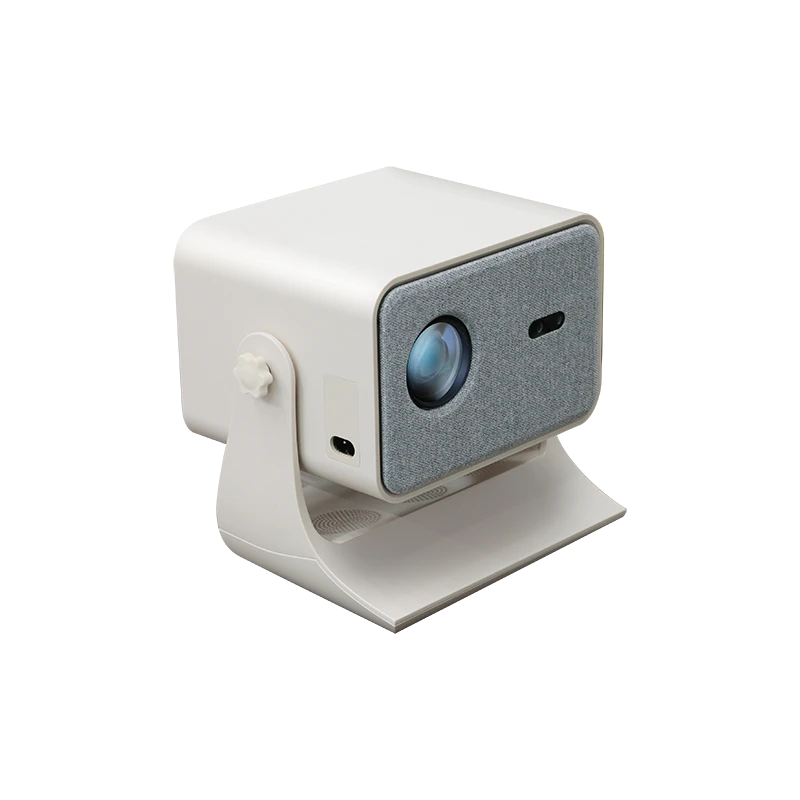
  • DataMax GP95-GTV 400 ANSI Full-Sealed  Projector with Google TV built-in  for Bedroom
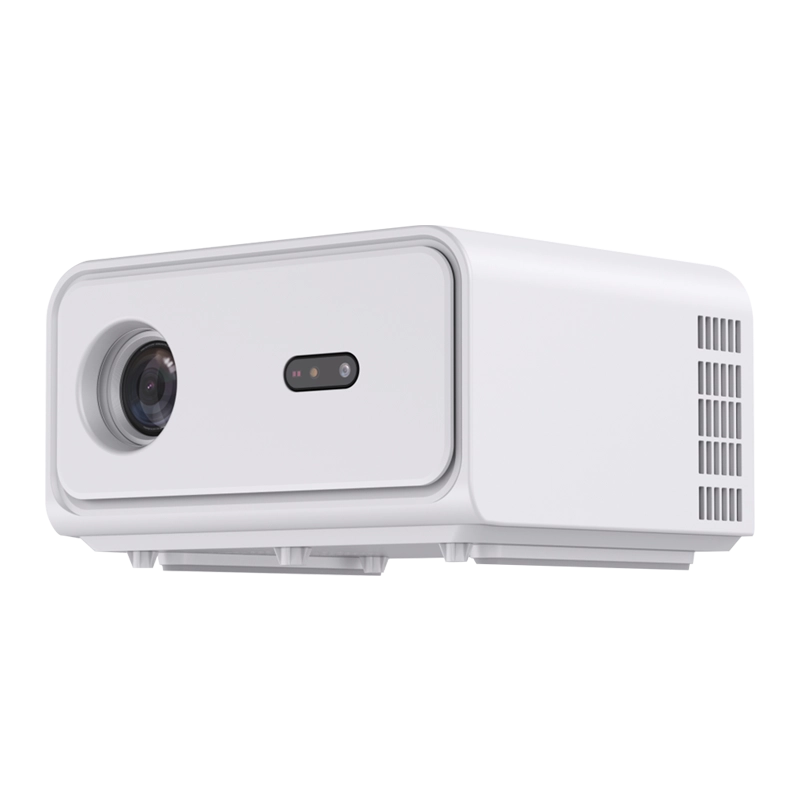
    GTV built-in

    DataMax GP95-GTV 400 ANSI Full-Sealed Projector with Google TV built-in for Bedroom

    Dust-free | Bedroom Projector

  • DataMax GP96-GTV High Brightness 1000 ANSI Google Projector TV with Dust-free Design for Home Cinema
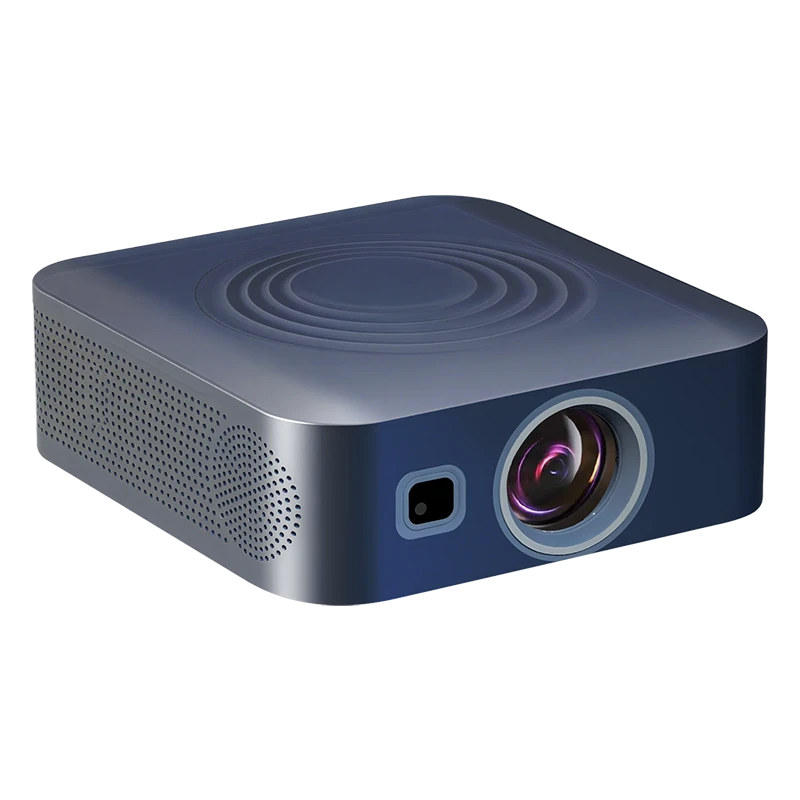
    GTV built-in

    DataMax GP96-GTV High Brightness 1000 ANSI Google Projector TV with Dust-free Design for Home Cinema

    Dust-free | Home Projector

  • DataMax GP98 High Brightness 800 ANSI with Dust-free Design for Home Cinema

    DataMax GP98 High Brightness 800 ANSI with Dust-free Design for Home Cinema

    Water Ripple Design | Home Projector

Android Smart vs. Multimedia Projectors: Making the Right Choice for Your Needs

As projectors become smarter, understanding your operating system options is crucial. Today’s market offers two distinct paths: full-featured Android Smart Projectors and value-focused Multimedia Projectors. Here’s a detailed comparison to help you decide.

Feature

Android Smart Projector

Multimedia Projector

Core Technology

A standalone entertainment hub with a built-in Android TV/Google TV operating system, functioning like a smart TV.

A display-focused device designed primarily for wireless screen mirroring and playing media from external sources, typically without a full smart OS.

Internal Hardware & Currnet Market Context

⚠️ Higher Cost Due to Premium Components
• Requires significant DDR RAM and eMMC storage to run the Android OS and apps smoothly.
• Key Consideration: Since early 2025, prices for these memory components have remained at historic highs, directly contributing to a higher and unstable bill of materials (BOM) cost for smart projectors.

✅ Pro: Cost-Effective & Supply-Stable Design
• Utilizes a simpler, more streamlined processing system with minimal onboard memory, bypassing the expensive DDR/eMMC market volatility.
• Offers excellent price stability and value, as its core components are less affected by the current memory chip shortage.

Core Functionality & Use Case

✅ Pro: A Complete Standalone Ecosystem
• Direct App Access: Log into and use streaming apps (Netflix, Disney+, YouTube) directly on the projector, no other devices needed.
• Voice Control & Smart Features: Full compatibility with Google Assistant, and automatic app updates.
• Customization: Supports custom launchers for branded OEM/ODM experiences.

✅ Pro: Focused, High-Value Wireless Playback
• Essential Wireless Connectivity: Equipped with built-in 5G/2.4G WiFi and Bluetooth, enabling seamless screen mirroring (Miracast/AirPlay) from smartphones, tablets, and laptops.
• Play from External Devices: Easily connects to and plays content from Fire TV Sticks, Google TV dongles, gaming consoles, or USB drives.
• Perfect for: Users who already own a streaming stick or primarily want to mirror their phone/tablet screen for videos, presentations, and photos.

User Experience

Convenient but Complex
• Offers a familiar, all-in-one TV-like interface. However, lower-spec models may experience lag or slowdowns as apps become more demanding over time.

Simple & Direct
• Provides a straightforward, fast-to-boot interface focused on source selection (HDMI, USB, Wireless). The performance burden remains on your external device, which is easier and cheaper to upgrade.

Total Cost of Ownership

Higher Initial Investment
• You pay a premium for the integrated smart system and its components. The price is less likely to drop significantly until memory chip costs normalize.

✅ Outstanding Initial Value & Flexibility
• Saves 20-35% upfront compared to a similar-brightness Android model. You can use the savings to purchase a high-quality external streaming device (e.g., Apple TV, Roku) and still have a superior, more upgradable system.

Actionable Recommendation

Choose an Android Smart Projector if:

  • You want the ultimate all-in-one, cable-free convenience with no external devices.
  • Voice control and a unified smart home experience are top priorities.
  • Your budget accommodates the current premium for integrated smart technology.

Choose a Multimedia Projector if:

  • Budget and value are your primary concerns. This is the most cost-effective way to get a high-quality display.
  • You already own (or don’t mind buying) a separate streaming device. This often results in better long-term performance and app compatibility, as you can upgrade the streaming stick independently.
  • Your main need is reliable, large-screen mirroring for content from your phone, tablet, or laptop.
  • You want to avoid the cost inflation driven by the current high DDR/eMMC memory prices.

OEM/ODM Collaboration Timeline Process

As an experienced projector manufacturer, we follow a structured 12-16 week process:

  • Requirement Analysis (Week 1-2): Detailed discussions on specifications, design, and target market
  • Technical Proposal (Week 3-4): Engineering review, component sourcing, and prototype planning
  • Prototype Development (Week 5-10): Build and test functional samples
  • Client Evaluation & Revisions (Week 11-12): Feedback incorporation and final adjustments
  • Mass Production Setup (Week 13-14): Manufacturing line configuration and quality control systems
  • Delivery & Support (Week 15-16): Shipping, after-sales service planning, and ongoing partnership

Quality Control Standards: Our Manufacturing Excellence

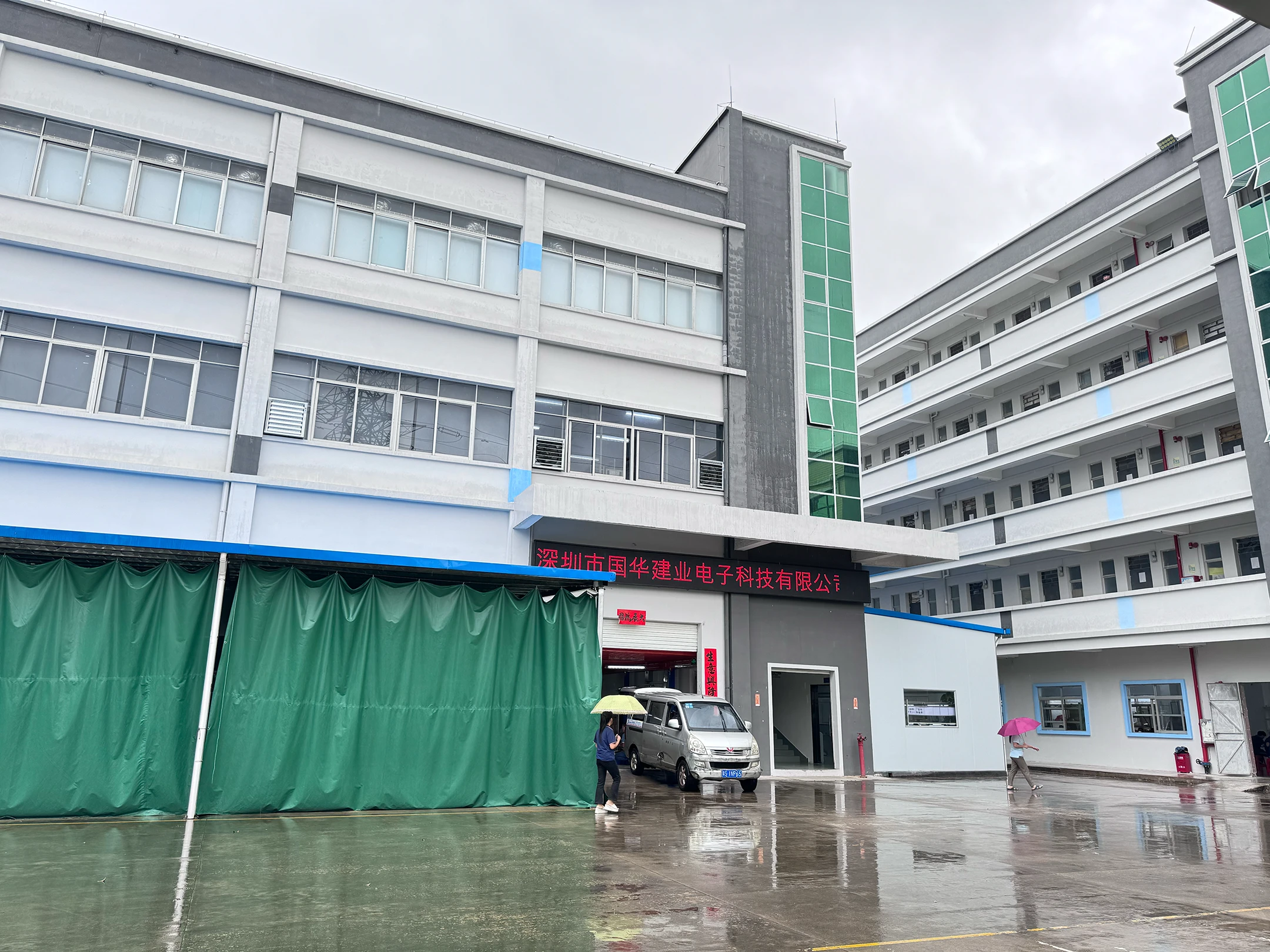
Our factory implements rigorous quality assurance protocols
  • 100% component testing before assembly
  • 48-hour continuous burn-in testing for every unit
  • ANSI lumen output verification against specification
  • Color accuracy testing with spectrophotometers
  • Environmental testing (temperature, humidity, vibration)
  • Final inspection with pixel-by-pixel analysis
Projector Manufacturer

Case Study: Certified Multimedia Projector for a European Retail Giant

Client: A leading European consumer electronics brand supplying major supermarkets and global retailers like Walmart.
Challenge: To develop a reliable, high-volume multimedia projector capable of passing the industry’s most stringent TÜV certifications—a requirement many manufacturers cannot meet—while delivering seamless wireless screen mirroring for the mass market.
Our Solution: We engineered a customized projector focused on core performance and compliance:

  • Full TÜV Certification: Successfully passed all rigorous safety and quality tests, ensuring market access.
  • Advanced Wireless Core: Integrated the Allwinner H137 chipset for stable, low-latency Wi-Fi/Bluetooth screen mirroring (Miracast/AirPlay).
  • Complete Brand Integration: Delivered custom boot logo, UI, and retail-ready packaging aligned with the client’s global identity.

Result: The projector achieved full certification, entered wide retail distribution, and has been recognized for its reliability, ease of use, and strong value—showcasing our ability to meet top-tier compliance standards and deliver tailored, high-volume OEM solutions.

Conclusion: The Importance of Choosing a Professional Projector Manufacturer

Selecting the right projector brightness involves more than just comparing specifications. It requires understanding your specific use case, environment, and long-term needs. Partnering with an experienced projector manufacturer ensures you receive not only the appropriate technology for your application but also the quality assurance, customization options, and technical support necessary for success.

Whether you’re a business looking for commercial displays, an educator needing reliable classroom technology, or a brand seeking custom OEM solutions, the right manufacturing partner makes all the difference. At our facility, we combine technical expertise with flexible manufacturing capabilities to deliver projection solutions that truly fit your requirements.

Note: Please enter your WhatsApp number in the following format: +Country Code +Mobile Number (e.g., +86 13912345678). We will not be able to contact you if the format is otherwise specified.
Leave message here, we will reply to you in 24 hours.

Smart Devices

Inuquiry

Leave message here, we will reply to you in 24 hours.

How to Choose the Right Projector Brightness: A Complete Guide to 200-1000 ANSI Lumens

Introduction: The Diverse Needs of the Projector Market

As a projector manufacturer, we understand that selecting the right projector can be a complex decision. One of the most critical specifications to consider is brightness, measured in ANSI lumens. From personal entertainment to large-scale commercial installations, the ideal brightness level varies significantly based on the environment and use case. This guide will walk you through everything you need to know about choosing the perfect projector brightness between 200 and 1000 ANSI lumens.

projector brightness guide from datamax

Brightness Selection Guide: Application Scenarios for 200-1000 ANSI Lumens

200-300 ANSI Lumens: Portable/Personal Entertainment

Projectors in this range are typically compact, energy-efficient, and designed for intimate settings. They are perfect for:

  • Private movie nights in a darkened bedroom
  • Gaming in a controlled lighting environment
  • Portable presentations where ambient light is minimal

300-500 ANSI Lumens: Bedroom/Living Room

This range is the go-to choice for consumer-level home entertainment, offering a fantastic balance of cost, portability, and picture quality in controlled, dim environments. For optimal results, this tier requires a significantly darkened room.

  • Enclosed Bedrooms or Dens: Perfect for creating a personal cinema where you have full control over lighting. Even small amounts of ambient light will noticeably wash out the image.
  • Living Rooms at Night: Suitable for evening viewing with all curtains closed and main lights turned off. The image will be clear and vibrant under these conditions.

Note: For small conference rooms, even with moderate light control, 500 ANSI lumens is often the minimum viable threshold to combat overhead lights and window glare, making the 300-500 range more of a dedicated home-use category.

500-800 ANSI Lumens: The Enhanced Home & Hotel Room Tier

This brightness level represents a significant step up for consumer and hospitality use, providing enough power to handle mild ambient light while maintaining a high-quality image on medium-to-large screens.

  • Premium Home Theaters: Ideal for dedicated media rooms where you might have some low-level mood lighting (like LED bias lighting behind the screen) without degrading the picture.
  • Hotel and Hospitality Rooms: The standard for many hotel in-room entertainment systems. It’s bright enough to be enjoyed with bedside lamps on or with partial daylight seeping through curtains, offering a convenient and comfortable viewing experience without requiring complete darkness.

Note: While usable in small, very controlled classrooms or meetings, modern educational and mainstream commercial environments (with typical overhead lighting and windows) generally require projectors starting at 2000+ ANSI lumens for clear, daylight-viewable content.

800-1000+ ANSI Lumens: The High-Performance Consumer & Small-Scale Commercial Tier

Projectors in this bracket are among the brightest available in the mainstream consumer and prosumer market. They are designed for situations where controlling ambient light is challenging but the screen size remains in the large-home-theater range (up to ~120 inches).

  • Living Rooms with Ambient Light: Can produce a watchable image during daytime with blinds partially drawn, though a darkened room is still recommended for the best experience.
  • Small-Scale Public Displays: This is the minimum recommended brightness for effective indoor commercial use. It is suitable for:
    * Dynamic signage or menu boards in a dimly lit café or boutique.
    * Advertising displays in a mall corridor or small retail window (non-sunlit areas).
    * Backdrop projections for small events or photo booths.

Key Application Insight: For a 120-inch screen in a typical indoor environment with standard ambient lighting (e.g., store lighting), an 800-1000 ANSI lumen projector will produce an image that is visible and legible, but it will lack the punch and vibrancy of higher-brightness commercial models. For true daylight operation or large-venue projection (auditoriums, churches, lecture halls), professional-grade projectors with 3000 to 10,000+ ANSI lumens are the standard.

Core Technology Comparison: LCD vs DLP vs Laser

Understanding the two dominant budget projection technologies is key to making an informed choice. Here’s a clear breakdown of how single-LCD projectors compare to DLP models, both utilizing modern LED light sources.

Feature

Advanced Single-LCD Projectors

DLP LED Projectors

Core Technology

Features a high-transmittance LCD panel with premium LED light source in a fully sealed optical chamber. This modern design eliminates dust while maximizing color performance.

Uses Texas Instruments’ DMD chip with microscopic tilting mirrors. Paired with RGB LED lighting for color generation.

Image Quality & Color Performance

✅ Pro: Superior Color Consistency & Natural Tones
• No Rainbow Effect: Unlike sequential color systems, Single-LCD displays full RGB simultaneously, completely eliminating the distracting “rainbow effect” that affects many DLP viewers.
• Authentic Color Reproduction: Delivers stable, consistent colors that remain true across all viewing scenarios—perfect for extended movie watching without eye strain.

⚠️ Trade-off: Sharpness with Visual Artifacts
• While offering excellent sharpness, the color wheel system can cause rainbow artifacts (RBE)—brief flashes of color noticeable in high-contrast scenes, particularly problematic for sensitive viewers.
• Color consistency depends heavily on implementation and can vary between models.

Visual Comfort & Viewing Experience

✅ Pro: The Most Comfortable Viewing Technology
• Zero Eye Strain: The simultaneous color display and absence of moving color components create the most natural, comfortable viewing experience available, ideal for family movie nights and extended use.
• Perfect for Sensitive Viewers: The best choice for those prone to headaches or visual discomfort with DLP technology.

⚖️ Trade-off: Potential for Viewing Discomfort
• The rainbow effect and color sequencing can cause headaches and eye fatigue for approximately 15-30% of viewers, limiting their enjoyment during longer viewing sessions.

Brightness & Optical Efficiency

🔧 Evolving Performance
• Modern designs with high-brightness LEDs and efficient optics deliver excellent performance in controlled lighting conditions suitable for home entertainment.
• Continuous improvements in panel technology are steadily closing the brightness gap for typical home use scenarios.

✅ Pro: High Light Efficiency
• The reflective DMD design is inherently efficient at directing light to the screen, often resulting in higher ANSI lumen ratings from similar power LED sources.

Reliability & Durability

✅ Pro: Modern Sealed Design Excellence
• Zero Maintenance: Advanced sealed optical engines completely eliminate dust ingress concerns—no filters to clean, no performance degradation over time.
• Simplified Design: Fewer moving parts and no color wheel mean reduced mechanical failure points and longer operational life.

🔧 Generally Reliable with Caveats
• While DLP chips are durable, the color wheel is a mechanical component that can wear or fail over time, particularly in heavily used units.

Value & Cost Efficiency

💰 Pro: Unbeatable Performance-to-Price Ratio
• Delivers exceptional value by providing comfortable, rainbow-free viewing, reliable sealed optics, and satisfying home entertainment performance at remarkably accessible price points.
• Lower total cost of ownership with no replacement filters or color wheel concerns.

💰 Premium Pricing
• Carries a significant price premium due to DMD chip licensing costs and the perceived technological advantage, making similar-spec models often 30-50% more expensive than Single-LCD alternatives.

The Clear Choice for Home Entertainment

While both technologies have their place, modern Advanced Single-LCD projectors represent the smart choice for most home users who prioritize:

  • Visual Comfort – Zero rainbow effect means enjoyable, strain-free viewing for everyone
  • Reliability – Sealed optics with no moving color parts ensure worry-free operation
  • Value – Premium features at accessible prices without compromising on the essential viewing experience

Choose Advanced Single-LCD if: You want the most comfortable viewing experience for movies and TV, value reliability and low maintenance, and seek excellent performance without the premium price tag.
Choose DLP LED if: Absolute peak sharpness for text/graphics is your primary concern, you’re not sensitive to the rainbow effect, and your budget is less constrained.

The reality is: For casual viewing, family entertainment, and typical home use, most viewers will appreciate the natural, comfortable image of a modern Single-LCD projector more than the marginally sharper but potentially problematic DLP alternative—especially when considering the significant price difference.

Full-sealed LCD Projectors

  • DataMax GP95-GTV 400 ANSI Full-Sealed  Projector with Google TV built-in  for Bedroom

    GTV built-in

    DataMax GP95-GTV 400 ANSI Full-Sealed Projector with Google TV built-in for Bedroom

    Dust-free | Bedroom Projector

  • DataMax GP96-GTV High Brightness 1000 ANSI Google Projector TV with Dust-free Design for Home Cinema

    GTV built-in

    DataMax GP96-GTV High Brightness 1000 ANSI Google Projector TV with Dust-free Design for Home Cinema

    Dust-free | Home Projector

  • DataMax GP98 High Brightness 800 ANSI with Dust-free Design for Home Cinema

    DataMax GP98 High Brightness 800 ANSI with Dust-free Design for Home Cinema

    Water Ripple Design | Home Projector

Android Smart vs. Multimedia Projectors: Making the Right Choice for Your Needs

As projectors become smarter, understanding your operating system options is crucial. Today’s market offers two distinct paths: full-featured Android Smart Projectors and value-focused Multimedia Projectors. Here’s a detailed comparison to help you decide.

Feature

Android Smart Projector

Multimedia Projector

Core Technology

A standalone entertainment hub with a built-in Android TV/Google TV operating system, functioning like a smart TV.

A display-focused device designed primarily for wireless screen mirroring and playing media from external sources, typically without a full smart OS.

Internal Hardware & Currnet Market Context

⚠️ Higher Cost Due to Premium Components
• Requires significant DDR RAM and eMMC storage to run the Android OS and apps smoothly.
• Key Consideration: Since early 2025, prices for these memory components have remained at historic highs, directly contributing to a higher and unstable bill of materials (BOM) cost for smart projectors.

✅ Pro: Cost-Effective & Supply-Stable Design
• Utilizes a simpler, more streamlined processing system with minimal onboard memory, bypassing the expensive DDR/eMMC market volatility.
• Offers excellent price stability and value, as its core components are less affected by the current memory chip shortage.

Core Functionality & Use Case

✅ Pro: A Complete Standalone Ecosystem
• Direct App Access: Log into and use streaming apps (Netflix, Disney+, YouTube) directly on the projector, no other devices needed.
• Voice Control & Smart Features: Full compatibility with Google Assistant, and automatic app updates.
• Customization: Supports custom launchers for branded OEM/ODM experiences.

✅ Pro: Focused, High-Value Wireless Playback
• Essential Wireless Connectivity: Equipped with built-in 5G/2.4G WiFi and Bluetooth, enabling seamless screen mirroring (Miracast/AirPlay) from smartphones, tablets, and laptops.
• Play from External Devices: Easily connects to and plays content from Fire TV Sticks, Google TV dongles, gaming consoles, or USB drives.
• Perfect for: Users who already own a streaming stick or primarily want to mirror their phone/tablet screen for videos, presentations, and photos.

User Experience

Convenient but Complex
• Offers a familiar, all-in-one TV-like interface. However, lower-spec models may experience lag or slowdowns as apps become more demanding over time.

Simple & Direct
• Provides a straightforward, fast-to-boot interface focused on source selection (HDMI, USB, Wireless). The performance burden remains on your external device, which is easier and cheaper to upgrade.

Total Cost of Ownership

Higher Initial Investment
• You pay a premium for the integrated smart system and its components. The price is less likely to drop significantly until memory chip costs normalize.

✅ Outstanding Initial Value & Flexibility
• Saves 20-35% upfront compared to a similar-brightness Android model. You can use the savings to purchase a high-quality external streaming device (e.g., Apple TV, Roku) and still have a superior, more upgradable system.

Actionable Recommendation

Choose an Android Smart Projector if:

  • You want the ultimate all-in-one, cable-free convenience with no external devices.
  • Voice control and a unified smart home experience are top priorities.
  • Your budget accommodates the current premium for integrated smart technology.

Choose a Multimedia Projector if:

  • Budget and value are your primary concerns. This is the most cost-effective way to get a high-quality display.
  • You already own (or don’t mind buying) a separate streaming device. This often results in better long-term performance and app compatibility, as you can upgrade the streaming stick independently.
  • Your main need is reliable, large-screen mirroring for content from your phone, tablet, or laptop.
  • You want to avoid the cost inflation driven by the current high DDR/eMMC memory prices.

OEM/ODM Collaboration Timeline Process

As an experienced projector manufacturer, we follow a structured 12-16 week process:

  • Requirement Analysis (Week 1-2): Detailed discussions on specifications, design, and target market
  • Technical Proposal (Week 3-4): Engineering review, component sourcing, and prototype planning
  • Prototype Development (Week 5-10): Build and test functional samples
  • Client Evaluation & Revisions (Week 11-12): Feedback incorporation and final adjustments
  • Mass Production Setup (Week 13-14): Manufacturing line configuration and quality control systems
  • Delivery & Support (Week 15-16): Shipping, after-sales service planning, and ongoing partnership

Quality Control Standards: Our Manufacturing Excellence

Our factory implements rigorous quality assurance protocols

  • 100% component testing before assembly
  • 48-hour continuous burn-in testing for every unit
  • ANSI lumen output verification against specification
  • Color accuracy testing with spectrophotometers
  • Environmental testing (temperature, humidity, vibration)
  • Final inspection with pixel-by-pixel analysis
Projector Manufacturer

Case Study: Certified Multimedia Projector for a European Retail Giant

Client: A leading European consumer electronics brand supplying major supermarkets and global retailers like Walmart.
Challenge: To develop a reliable, high-volume multimedia projector capable of passing the industry’s most stringent TÜV certifications—a requirement many manufacturers cannot meet—while delivering seamless wireless screen mirroring for the mass market.
Our Solution: We engineered a customized projector focused on core performance and compliance:

  • Full TÜV Certification: Successfully passed all rigorous safety and quality tests, ensuring market access.
  • Advanced Wireless Core: Integrated the Allwinner H137 chipset for stable, low-latency Wi-Fi/Bluetooth screen mirroring (Miracast/AirPlay).
  • Complete Brand Integration: Delivered custom boot logo, UI, and retail-ready packaging aligned with the client’s global identity.

Result: The projector achieved full certification, entered wide retail distribution, and has been recognized for its reliability, ease of use, and strong value—showcasing our ability to meet top-tier compliance standards and deliver tailored, high-volume OEM solutions.

Conclusion: The Importance of Choosing a Professional Projector Manufacturer

Selecting the right projector brightness involves more than just comparing specifications. It requires understanding your specific use case, environment, and long-term needs. Partnering with an experienced projector manufacturer ensures you receive not only the appropriate technology for your application but also the quality assurance, customization options, and technical support necessary for success.

Whether you’re a business looking for commercial displays, an educator needing reliable classroom technology, or a brand seeking custom OEM solutions, the right manufacturing partner makes all the difference. At our facility, we combine technical expertise with flexible manufacturing capabilities to deliver projection solutions that truly fit your requirements.

Note: Please enter your WhatsApp number in the following format: +Country Code +Mobile Number (e.g., +86 13912345678). We will not be able to contact you if the format is otherwise specified.
Leave message here, we will reply to you in 24 hours.